


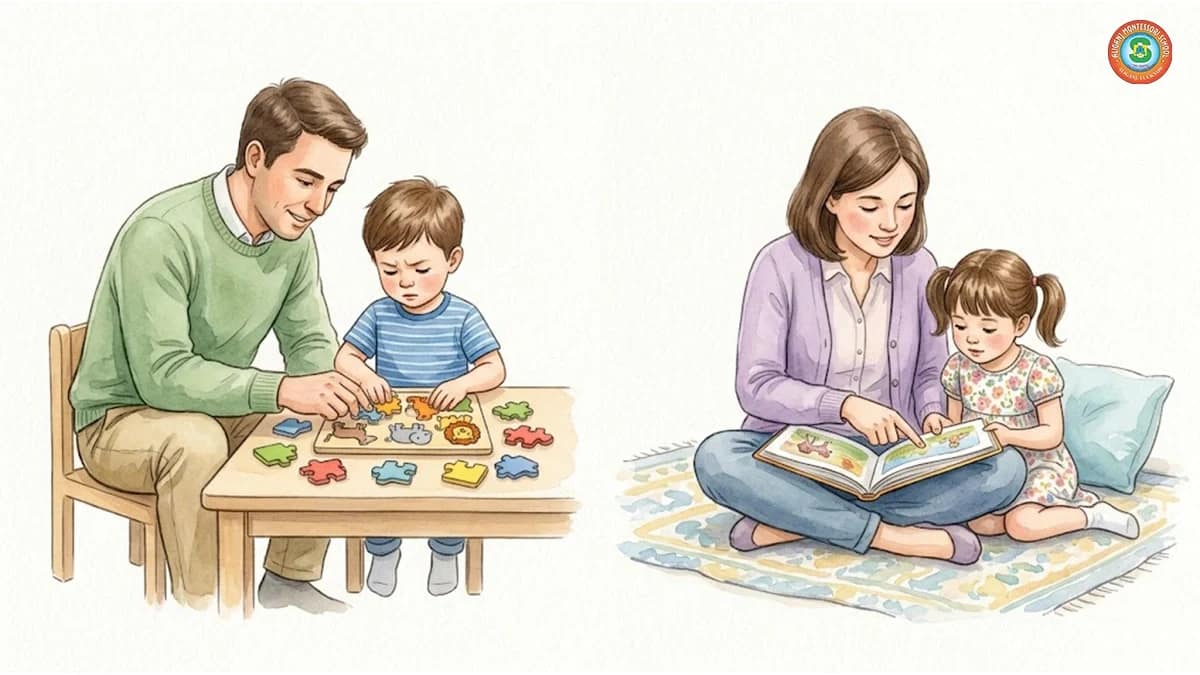


Parenting Mistakes: Confidence is one of the most valuable gifts parents can give their children. A confident child is more likely to participate in class, make friends easily, try new experiences, solve problems independently, and face challenges with a positive attitude. While every child is unique, confidence is largely shaped by the environment they grow up in, especially at home.
Many parents work hard to provide the best education, opportunities, and resources for their children. However, certain parenting habits—often unintentional—can gradually affect a child’s self-esteem and confidence. Sometimes, actions meant to protect or motivate children may actually make them doubt their abilities.
In today’s fast-changing world, confidence is just as important as academic achievement. Future-ready children need emotional intelligence, resilience, communication skills, leadership abilities, and self-belief to succeed. This is why positive parenting has become an essential part of holistic child development.
At Aliganj Montessori School, we believe that education and parenting go hand in hand. As one of the trusted Montessori schools in Aliganj Lucknow, we focus on nurturing confident, independent, and emotionally strong learners through child-centered education and strong parent-school partnerships.
Let’s explore some common parenting mistakes that can affect a child’s confidence and how parents can avoid them.
Table of Contents
Why Confidence Matters More Than Ever
The future belongs to children who can:
- Communicate effectively
- Think independently
- Adapt to challenges
- Learn from mistakes
- Lead confidently
- Build healthy relationships
Confidence influences every aspect of a child’s life, including:
- Academic performance
- Social interactions
- Emotional well-being
- Leadership development
- Career success
Children who believe in themselves are more willing to explore opportunities and overcome obstacles.
Mistake #1: Constantly Comparing Children to Others
One of the most common parenting mistakes is comparison.
Parents may say things like:
- “Look at how well your cousin performs.”
- “Your friend got higher marks.”
- “Why can’t you be more like them?”
Although often intended as motivation, comparisons can make children feel:
- Inadequate
- Unappreciated
- Inferior
- Discouraged
Every child has unique strengths and learning styles.
Better Approach
Instead of comparing children to others, compare their progress with their own previous achievements.
Focus on:
- Personal growth
- Effort
- Improvement
This helps children develop healthy self-confidence.
Mistake #2: Focusing Only on Grades
Many parents unintentionally make academic marks the primary measure of success.
When children hear:
- “What score did you get?”
- “Why didn’t you get higher marks?”
they may begin to believe that their worth depends on performance.
Future success depends on much more than grades.
Children need:
- Communication skills
- Creativity
- Critical thinking
- Emotional intelligence
- Leadership abilities
At Aliganj Montessori School, we encourage skill-based learning alongside academic excellence because holistic development creates confident learners.
Mistake #3: Overprotecting Children
Parents naturally want to protect their children from difficulties.
However, excessive protection can prevent children from:
- Solving problems independently
- Taking responsibility
- Building resilience
Children learn confidence when they overcome challenges themselves.
Better Approach
Allow children to:
- Make age-appropriate decisions
- Handle small challenges
- Learn from mistakes
Independence builds confidence naturally.
Mistake #4: Criticizing More Than Encouraging
Frequent criticism can gradually affect a child’s self-esteem.
Examples include:
- Pointing out mistakes constantly
- Focusing only on weaknesses
- Rarely acknowledging effort
Children who receive excessive criticism may:
- Fear failure
- Avoid challenges
- Doubt their abilities
Better Approach
Balance correction with encouragement.
Praise:
- Effort
- Improvement
- Persistence
- Positive behavior
Positive reinforcement helps children feel capable and valued.
Mistake #5: Not Listening to Children
Many parents are busy balancing work, responsibilities, and family life.
However, when children feel unheard, they may believe:
- Their opinions do not matter
- Their feelings are unimportant
This can reduce confidence over time.
Better Approach
Practice active listening.
When children speak:
- Make eye contact
- Listen attentively
- Validate emotions
Children who feel heard often become more confident communicators.
Mistake #6: Solving Every Problem for Them
It is tempting to fix problems immediately when children struggle.
However, constantly solving problems for them can create dependency.
Children need opportunities to:
- Think independently
- Explore solutions
- Develop decision-making skills
Better Approach
Instead of giving answers immediately, ask:
- “What do you think you should do?”
- “What are your options?”
This encourages critical thinking and confidence.
Mistake #7: Unrealistic Expectations
Some parents unknowingly place excessive expectations on children.
Expectations that are too high may lead to:
- Anxiety
- Fear of failure
- Low self-esteem
Children may begin to believe they are never “good enough.”
Better Approach
Set realistic expectations based on:
- Age
- Abilities
- Individual strengths
Celebrate progress rather than perfection.
Mistake #8: Punishing Mistakes Instead of Teaching Lessons
Mistakes are an important part of learning.
When children fear punishment for every mistake, they may:
- Avoid trying new things
- Become overly cautious
- Fear failure
Better Approach
Use mistakes as learning opportunities.
Ask:
- What happened?
- What can we learn?
- What can be done differently next time?
This approach builds resilience and self-confidence.
Mistake #9: Labeling Children
Labels can strongly influence how children see themselves.
Examples include:
- “You’re lazy.”
- “You’re shy.”
- “You’re not good at math.”
Children often internalize these labels.
Better Approach
Focus on behaviors rather than identities.
Instead of:
“You’re careless.”
Try:
“This task needs a little more attention.”
Positive language supports growth and confidence.
Mistake #10: Ignoring Emotional Development
Academic success is important, but emotional development is equally essential.
Children need support in:
- Managing emotions
- Building resilience
- Understanding feelings
- Developing empathy
Emotionally secure children often:
- Perform better academically
- Build stronger relationships
- Handle challenges effectively
At Aliganj Montessori School, emotional intelligence is integrated into everyday learning experiences.
How Montessori Education Supports Confidence Building
Montessori education is designed to help children develop:
- Independence
- Responsibility
- Self-discipline
- Confidence
- Problem-solving skills
Children are encouraged to:
- Make choices
- Explore independently
- Learn at their own pace
- Take ownership of learning
These experiences help students build genuine self-confidence.
The Role of Positive Parenting
Positive parenting focuses on:
- Encouragement
- Respectful communication
- Emotional support
- Consistent guidance
Children raised in supportive environments are more likely to:
- Believe in themselves
- Take healthy risks
- Learn from challenges
- Develop leadership qualities
Positive parenting and quality education work together to create confident learners.
Confidence and Future Success
Future-ready children need more than academic knowledge.
They need:
- Communication skills
- Emotional intelligence
- Leadership abilities
- Adaptability
- Critical thinking
Confidence helps children:
- Participate actively
- Express ideas
- Face challenges
- Pursue goals
This is why confidence building is becoming a major focus of modern education.
How Parents Can Build Confidence Daily
Simple daily habits can strengthen confidence:
Encourage Effort
Praise persistence and hard work.
Allow Independence
Give children opportunities to make decisions.
Celebrate Small Wins
Recognize progress and improvement.
Listen Without Judgment
Create a safe space for communication.
Encourage Problem Solving
Guide rather than solve everything.
Support Emotional Growth
Help children understand and manage feelings.
These practices help children develop self-belief and resilience.
Why Parent-School Partnerships Matter
Children thrive when parents and schools work together.
Strong partnerships help:
- Support learning goals
- Build confidence consistently
- Address challenges early
At Aliganj Montessori School, collaboration between educators and parents plays a vital role in holistic child development.
Conclusion
Confidence is one of the strongest foundations for a child’s success in school and life. While parents naturally want the best for their children, certain habits—such as constant comparison, excessive criticism, overprotection, or unrealistic expectations—can unintentionally affect self-esteem.
At Aliganj Montessori School, we believe that confident children become successful learners, effective communicators, creative thinkers, and future leaders. Through Montessori education, holistic development, and strong parent-school partnerships, we help children build the self-belief they need to thrive in an ever-changing world.
The goal is not to raise perfect children—it is to raise confident, resilient, and happy individuals who believe in their ability to learn, grow, and succeed.
Frequently Asked Questions: Parenting Mistakes
What affects a child’s confidence the most?
Frequent criticism, comparisons, unrealistic expectations, and lack of emotional support can negatively affect confidence.
How can parents build confidence in children?
Parents can encourage effort, listen actively, support independence, celebrate progress, and provide emotional encouragement.
Does confidence affect academic performance?
Yes. Confident children often participate more actively, take on challenges, and perform better academically.
Why is emotional intelligence important for confidence?
Emotional intelligence helps children understand emotions, manage stress, build relationships, and develop self-belief.
How does Montessori education help build confidence?
Montessori education promotes independence, decision-making, responsibility, and self-directed learning, all of which strengthen confidence.
How does Aliganj Montessori School support confidence development?
The school focuses on holistic child development, experiential learning, emotional growth, communication skills, and Montessori-based education.
Looking for a school that nurtures confidence, independence, and holistic child development?
Visit Aliganj Montessori School and discover how Montessori education helps children become confident learners, creative thinkers, and future-ready leaders.
Admissions Open for 2026 – Help Your Child Build the Confidence to Succeed in School and Life.