


Human Education: In a world that is technology-driven, artificial intelligence-powered, and driven by digitalization, there is one thing that is timeless and cannot be substituted — human education. While machines are able to learn patterns, only humans are capable of thinking, feeling, creating, and empathizing. Human education is about developing not only the mind but also the heart, morals, and consciousness.
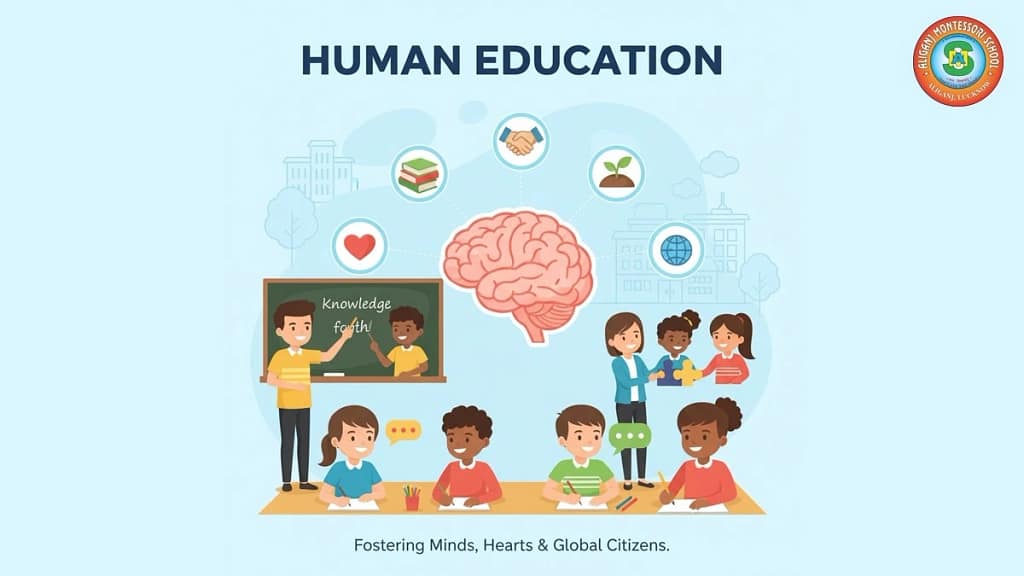
The phrase “human education” describes a holistic process of developing knowledge, character, emotional intelligence, and values that enable individuals to make meaningful contributions to society. It is more than producing capable professionals; it is also about producing caring, responsible, and ethical global citizens.
In this article, we’ll explore what human education truly means, why it’s vital in the modern world, its key components, methods of implementation, and how institutions like AMS are shaping the next generation through values-based, human-centered education.
Table of Contents
What is Human Education?
Human education is a philosophy of education that seeks to cultivate the complete potential of a person — intellectually, emotionally, socially, and ethically. Contrary to mere academics or technical schooling, human education focuses on the cultivation of humanness, persuading people to become morally good, socially conscious, and emotionally intelligent.
Definition of Human Education
Human education means the “education of the human being as a complete person — body, mind, heart, and soul.” It lays stress on the acquisition of knowledge with compassion, intelligence with ethics, and values-based progress.
Plainly speaking, human education teaches us to live, not merely how to earn.
The Need for Human Education in the Modern World
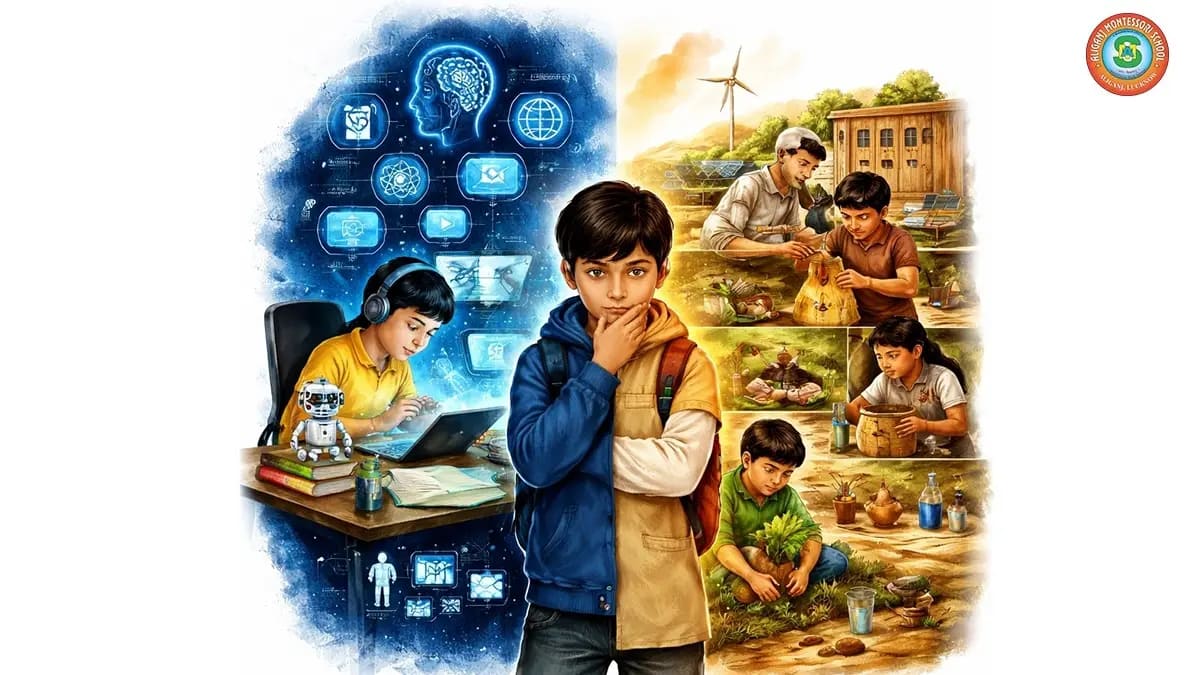
With the advent of digitalization, globalization, and artificial intelligence, the world is facing a paradox — more information but less wisdom, more connectivity but less empathy. The imbalance necessitates that human education is needed more than ever before.
Rebuilding Empathy and Ethics
Empathy, ethics, and respect for others are values that are on the decline in today’s competitive, fast-paced world. Human education fosters these values by making individuals appreciate diversity, understand social problems, and foster peace.
Intelligence and Emotion in Balance
While conventional education stimulates intellectual abilities, human education balances it with emotional intelligence. It holds students to a higher standard of managing emotions, settling disputes, and leading with empathy.
Global Citizenship
Human education creates a sense of global responsibility. It holds individuals to a higher standard of contributing to society through sustainability, cultural sensitivity, and humanitarianism.
The Moral Crisis
Contemporary education tends to concentrate on technical expertise with no moral basis. Human education puts the moral compass back in place by instilling honesty, compassion, kindness, and justice.
Empowering Future Leaders
Human education contributes towards creating leaders who are ethical, visionary, and human-centered. It makes tomorrow’s decision-makers prioritize humanity over profit.
The Pillars of Human Education
Human education achieves its aims upon the foundation of some crucial pillars that shape the foundation of comprehensive learning.
Intellectual Growth
Building the ability to reason, question, think creatively, and think for themselves. It encompasses intellectual knowledge merged with practical wisdom.
Moral and Ethical Development
Human education forms moral awareness. It instills shared human values such as honesty, justice, integrity, and compassion — producing ethical decision-makers.
Emotional Intelligence
Students acquire self-awareness, empathy, motivation, and interpersonal abilities. Emotional literacy is the key to effective personal and professional relationships.
Social Responsibility
Education should bring forth people who are concerned about society, community, and nature. Service learning and community service are the most important features.
Cultural Understanding
Human education fosters cultural sensitivity and cross-cultural understanding, making students tolerant global citizens.
Spiritual Awareness
Spiritual education is not religious but rather cultivating inner peace, mindfulness, and purpose — assisting people to live meaningfully and peacefully.
The Role of Human Education in Character Building
Character is the real test of a human being. Education for humans is the pillar of good character, which enables people to live lives marked by integrity and compassion.
Building Self-Discipline
Pupils acquire responsibility, time discipline, and determination — indispensable traits for personal and professional achievement.
Fostering Self-Reflection
Through introspection and contemplation, students become more aware of themselves and conscious of their behavior, resulting in positive development.
Building Leadership Skills
True leadership results from humility, service, and moral conviction. Human education prepares students to lead, not by force of will but by example.
Fostering Respect and Dignity
All human beings deserve respect, irrespective of origin. Human education instills dignity of work, equality, and inclusiveness.
In What Ways Human Education Is Different from Material or Technical Education
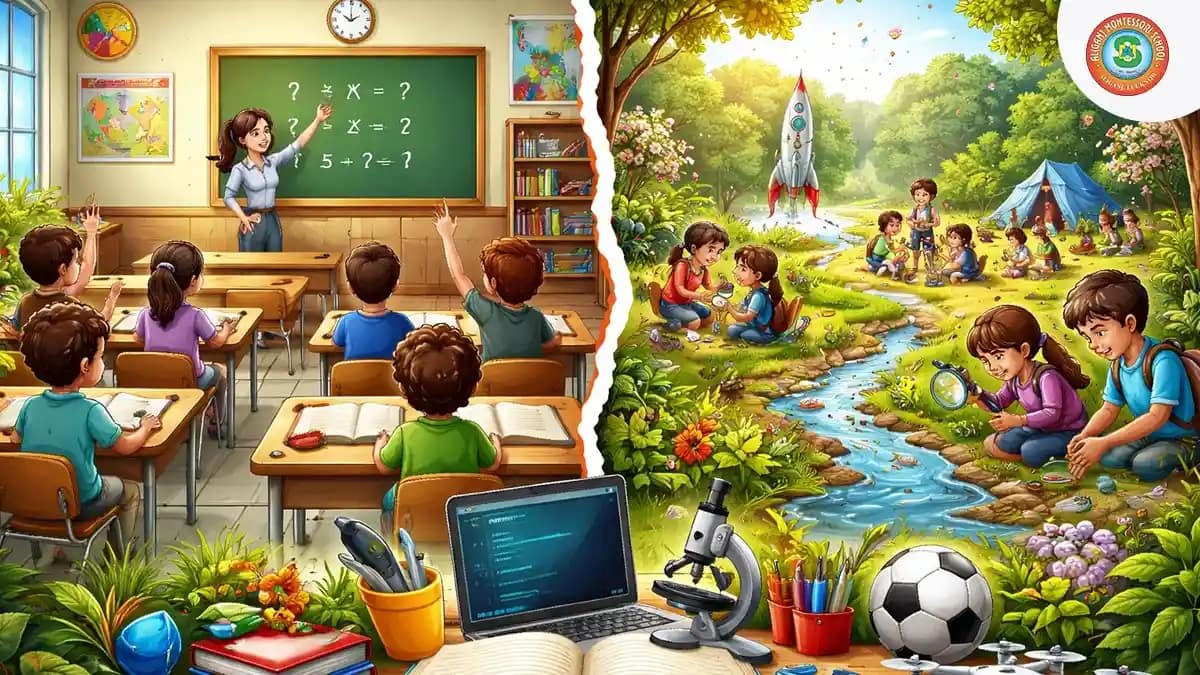
Where material education emphasizes skills, technology, and external achievement, human education emphasizes inner development and contribution in society.
| Aspect | Material Education | Human Education |
| Focus | Knowledge & Career Skills | Values, Humanity & Morals |
| Goal | Economic Success | Personal Growth & Social Harmony |
| Outcome | Competence | Character |
| Learning Type | Technical | Ethical, Emotional, Spiritual |
| Example | Learning to code | Learning to coexist |
In truth, both are essential. Material education without human values leads to imbalance; human education without knowledge lacks direction. A well-rounded individual needs both.
Implementing Human Education: The Path Forward
Integrating human education requires conscious effort by educators, institutions, parents, and society.
Curriculum Integration
Human values must be infused through subjects — by teaching ethics in science, empathy in literature, and responsibility in history.
Experiential Learning
Experiential learning through community service, volunteering, and social internships gives education meaning and a values orientation.
Value-Based Learning Programs
Workshops, seminars, and sessions in compassion, leadership, mindfulness, and peace education foster emotional and ethical intelligence.
Teachers’ Role in Inculcating Values
Teachers need to be trained to model values, communicate ethically, and establish inclusive, empathetic classrooms.
Parent and Community Participation
Parents and communities must reinforce human values in the home and in neighborhood efforts, maintaining consistency between practice and education.
Gains of Human Education
The long-term gains of human education far outweigh classrooms and profession.
For Individuals
- Develops emotional stability and self-confidence.
- Increases decision-making and moral judgment.
- Fosters mental peace and inner happiness.
For Society
- Reduces violence, prejudice, and discrimination.
- Fosters cooperation, tolerance, and peace.
- Constructs ethical communities with responsible citizens.
For the World
- Fosters sustainable living and global harmony.
- Solves cultural and religious divisions.
- Fosters humanity-first development.
Human education hence forms the basis for a compassionate, just, and sustainable world.
Challenges in Implementing Human Education
Overemphasis on Academic Scores
The grade and ranking frenzy tends to push moral and spiritual education to the backburner.
Lack of Teacher Training
Most teachers lack the training to teach values or incorporate emotional learning into the curriculum.
Cultural Resistance
Certain cultures view values education as religious or not important, so its applicability is restricted.
Limited Policy Support
Educational policy still largely favors STEM at the expense of human education.
To overcome all these, governments, schools, and teachers must work together to reinvent success after academics and adopt holistic learning.
The Future of Human Education
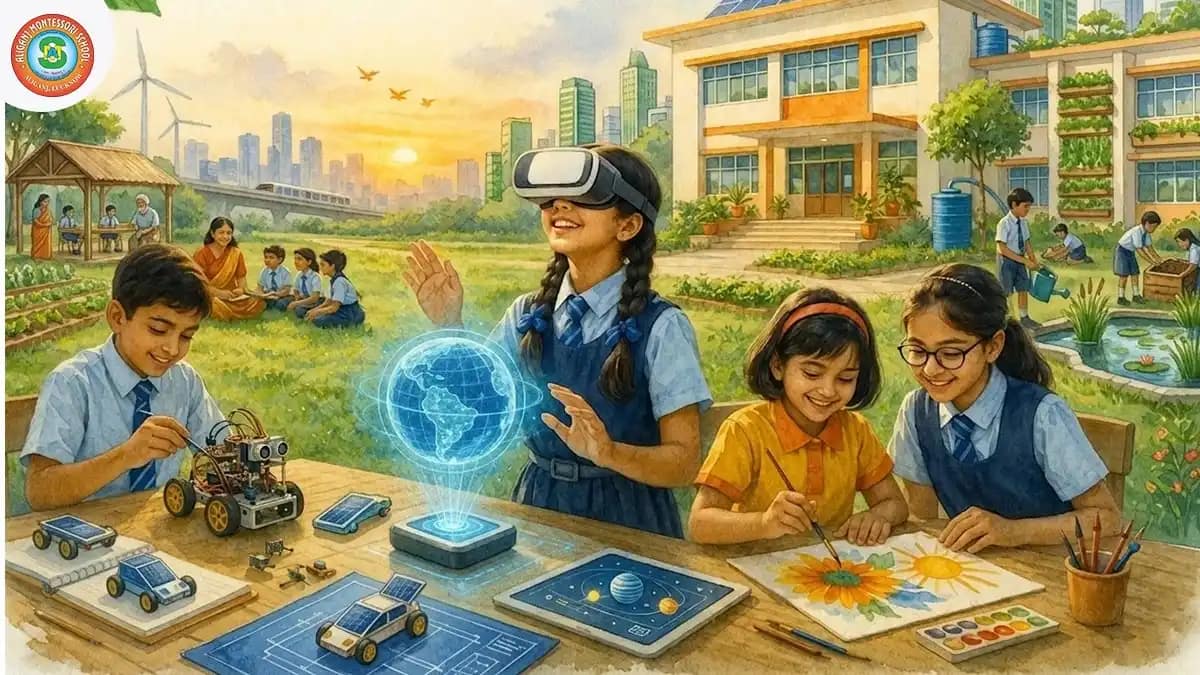
The future of learning is human-centered learning ecosystems. With the growth of artificial intelligence and robotics, there will be an exponentially greater need for emotional intelligence, ethical thinking, and creativity.
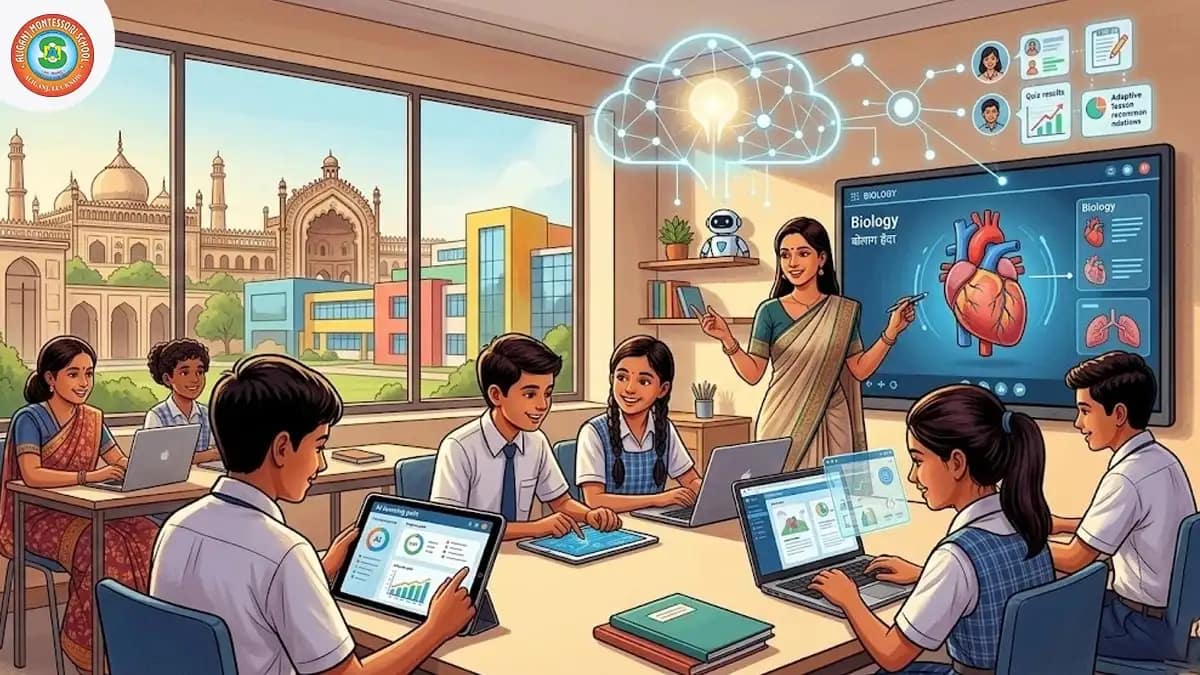
Institutions need to create education systems where AI is balanced with EI (Emotional Intelligence), so future leaders are not just intelligent but also wise.
Human education will be the compass guiding the world through the digital revolution — reminding us that being human is the greatest lesson of all.
FAQs on Human Education
1. What is human education in simple words?
Human education is the process of developing knowledge, character, and compassion together — teaching not only what to think but also how to live with values.
2. Why is human education important today?
Because it balances technology with empathy, intelligence with ethics, and knowledge with wisdom — attributes for a peaceful and equitable society.
3. What are the primary objectives of human education?
To foster intellectual development, ethical values, emotional quotient, and social responsibility — people who serve mankind.
4. How is human education distinct from material education?
Material education targets technical and professional competence, whereas human education targets ethics, character, and emotional competence.
5. Can human education enhance academic performance?
Yes. Emotionally stable, purposeful students demonstrate greater motivation, concentration, and academic excellence.
6. How old should human education start?
It must start right from early childhood, when values, empathy, and curiosity are easiest to develop.
7. Is human education possible in all schools?
Yes. Human education is a universal — it can be incorporated into any curriculum irrespective of religion or culture.
Conclusion
Human education is more than a subject — it’s the essence of existence. It teaches us to be kind, compassionate, and aware. In a world of increasing automation, humanity itself becomes the most valuable skill.
Authentic education is not about making machines that function; it’s making human beings who care. With human education, we can have a world based on peace, justice, and love.
The world of the future doesn’t belong to those who will learn the most, but to those who will understand the most – and act with compassion.
At AMS, we think education isn’t complete without humanity. We want to develop leaders who think intelligently, feel deeply, and act ethically.
AMS incorporates human education values into all facets of learning — achieving academic excellence, moral values, and emotional intelligence.
Become part of AMS today and discover education that empowers the mind and the soul.
Discover AMS Programs| Get in touch with AMS Team